

Information Literacy
The American Library Association defines information literacy as a set of abilities requiring individuals to recognize when information is needed and have the ability to locate, evaluate, and use effectively the needed information.
LOCATE
Help students to use websites and apps that provided vetted and fact-checked information when locating information.
Ex. The New York Times, NPR, NASA, PBS News Hour Classroom, Smithsonian, Library of Congress.
EVALUATE
Help students learn the correct questions to ask when evaluating information. Uses fact-checking sites like factcheck.org.
Ex. Is the source current or has it been updated since publication? Is the source relevant to your needs? Is the author qualified to write about the subject? What evidence is provided to support the information and can the same information be found from multiple sources? What is the purpose of the information? Is it fact or opinion?
USE
Determine how the information will be used and shared. Give credit when necessary with citations.

Information Literacy Book List
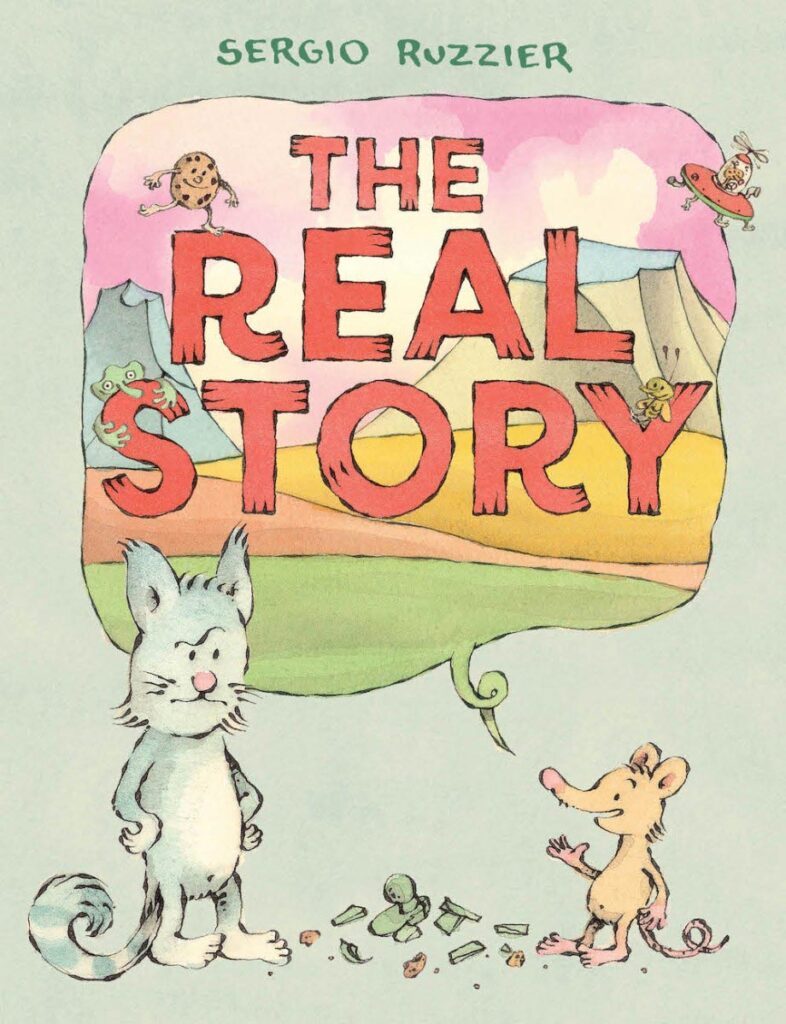
The Real Story, Sergio Ruzzier
Picture Book (Preschool-Grade 1), Best for Preschool Picks and Picture Book Children’s Choice Awards
Cat wants to know how the cookie jar broke and where all the cookies went. Mouse tells multiple entertaining and embellished stories but none are the true.
This book provides a lighter approach to the lesson of telling the truth but also helps demonstrate the difference between fact and fiction.
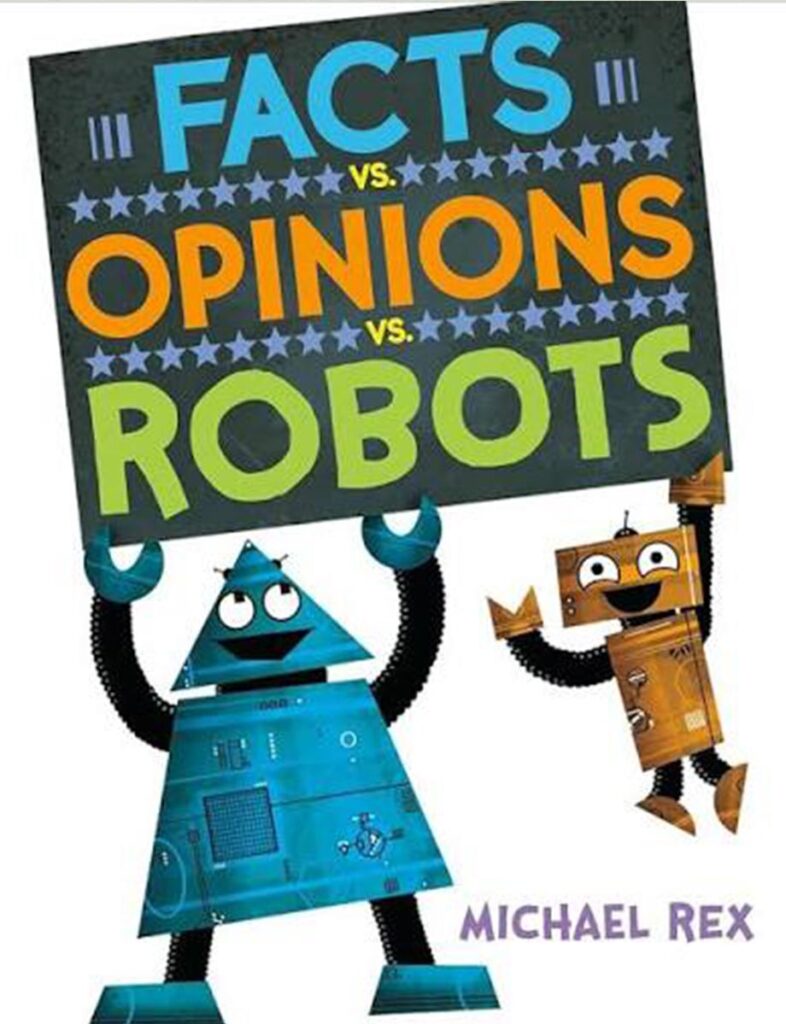
Facts vs. Opinions vs. Robots, Michael Rex
Picture Book (Kindergarten – Grade 3), Best for Picture Book Children’s Choice Awards and Extension
A group of robots explain fact and opinion.
This book helps students to determine what is fact and what is an opinion. Sometimes it takes a little effort to figure out – asking questions, gathering more information and working together with others.
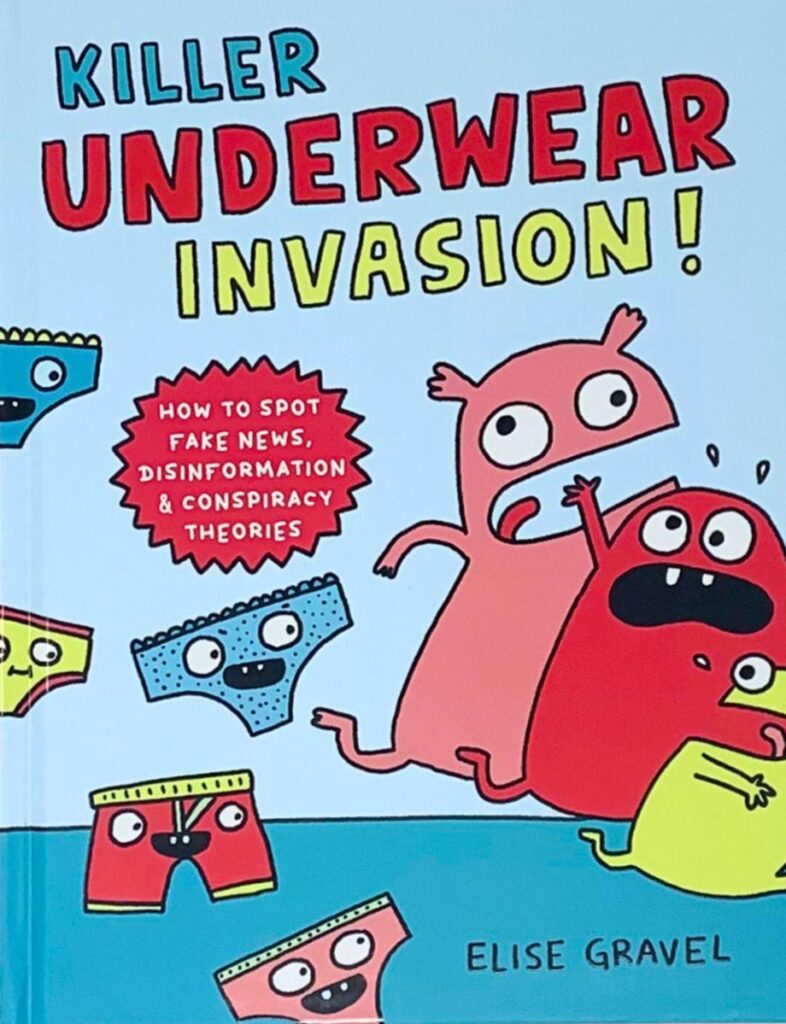
Killer Underwear Invasion!: How to Spot Fake News, Disinformation & Conspiracy Theories, Elise Gravel
Graphic Novel (Grades 3-7), Best for Children’s Choice Awards
A fun, graphic novel that uses humor and colorful illustrations to explain what fake news is, why people share it and how to tell the difference between information and misinformation. This is a great read for educators and students.
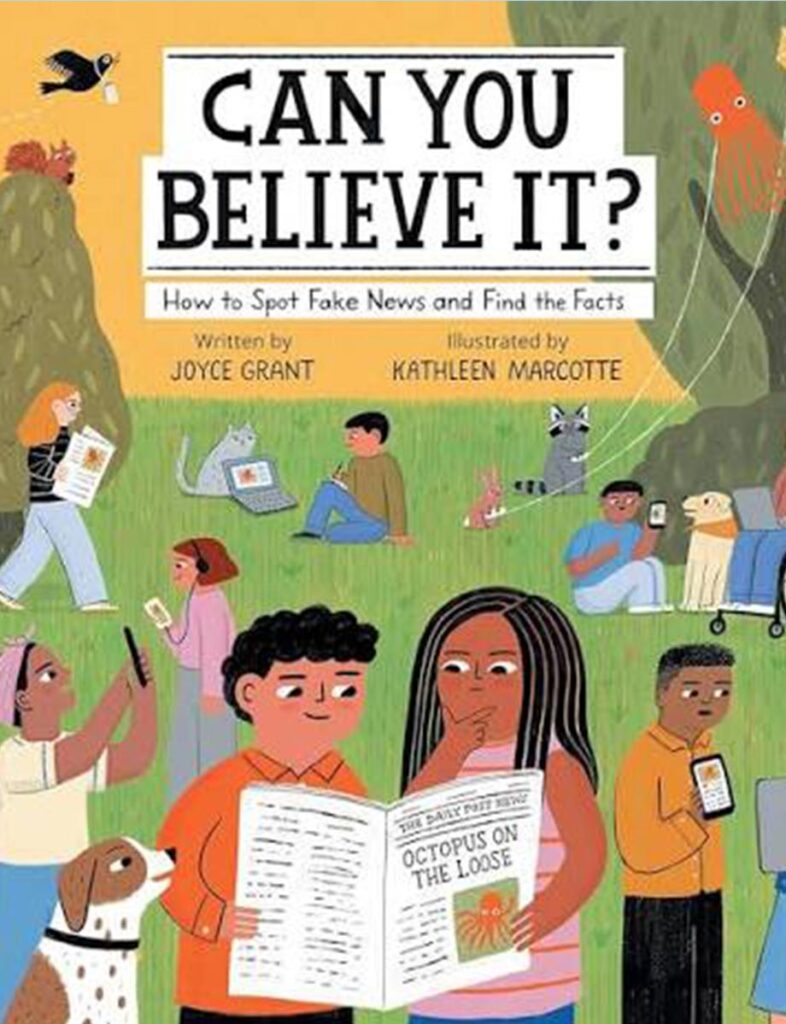
Can You Believe It?: How to Spot Fake News and Find the Facts, Joyce Grant
Nonfiction (Grades 3-7), Best for Children’s Choice Awards
A comprehensive text for students on how to spot fake news, especially information found online. This book guides readers on how to identify information they can trust.
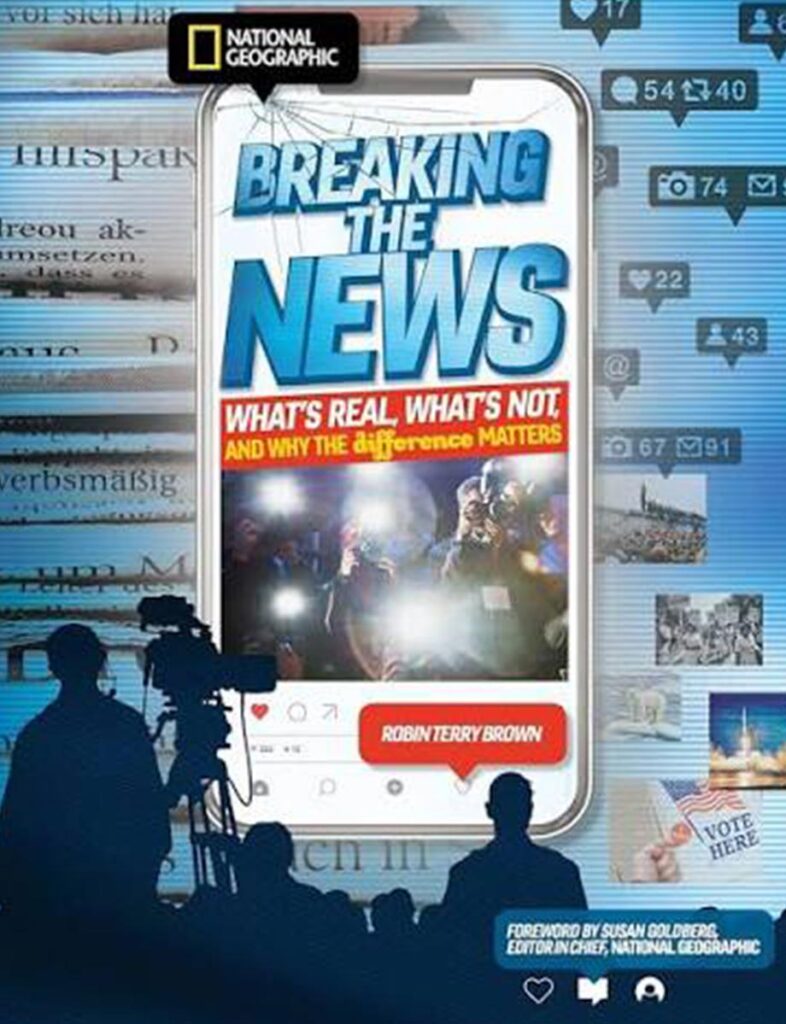
Breaking the News: What’s Real, What’s Not and Why the Difference Matters, Robin Terry Brown
Nonfiction (Grades 5-9), Best for Children’s Choice Awards
National Geographic presents a detailed look for students at what is real and fake news. It also explains the impact of misinformation. This is a great resource for parents and educators to explain media literacy.
What is media literacy?
Common Sense Media defines media literacy as the ability to identify different types of media and understand the messages they’re sending.
TYPES OF MEDIA
- TV
- Radio
- Newspapers
- Magazines
- Text messages
- Memes
- Viral videos
- Social media
- Video games
- Advertising
- Blogs
- Podcasts
- Websites
- Apps
COMMON GROUND
Regardless of the type of media (and there are even more not included in the list of above), all media has two things in common. It was created by someone and for a reason.
QUESTIONS TO ASK
- Who created the media?
- Why was it created?
- Who is the audience?
- How does the author make the information credible (quotes, statistics, etc.)?
- Is there anything important missing?
- How do you feel after reading or viewing the media?